Repair Timber Windows It's Not As Expensive As You Think


How to Properly Maintain and Repair Timber Windows
Timber windows are a stunning feature of many old buildings. If they aren't regularly painted and properly maintained they may be damaged and stop functioning correctly.
It is possible to fix rotting wood in timber window frames. It can be quite straightforward with the proper methods. There are a variety of methods of rot treatment available with some of them more effective than others.
Check the general condition
Over time, timber windows will begin to decay due to exposure to the elements and humidity in your home. If left unchecked, this could cause rot in the timber.
If you discover that your windows made of timber have become damaged it's important to act swiftly. In the absence of action, timber rot can result in it worsening over time, especially when the winter weather arrives. Even if your windows made of wood are in bad shape it is still possible to repair them. You'll need to put in more time and effort.
When assessing a window's general condition, it is important to consider the fact that different repair methods work in different scenarios. Repairing the rotten wood sections in the frame of your window can be accomplished by splicing new timber into the frame. This technique is only recommended if the rotten part of your window isn't larger than a certain size. If the area that is rotten in your window is large, you may need to replace the entire sash.
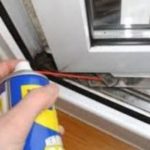
The first thing you'll have to do is thoroughly examine the condition of your timber windows. You must look for signs of rot and damp, along with damage to the frame and sills. Consult a professional to examine your timber windows if you aren't sure of what to look for.
Be sure to wear thick work gloves while doing this because splintered and cracked window glass can be dangerous. It's recommended to have a ladder available and someone to help steady it.
One of the primary reasons that timber windows start to deteriorate is that they're exposed to penetrating damp inside your property. Penetrating moisture can cause windows to decay and lead to more serious problems like wet or dry decay. If you believe that your timber windows are affected by penetrating damp it is crucial to repair them as soon as you can. This will prevent further damage to the windows and safeguard your home from damp and mold.
Clean the Frames
Timber windows are durable and durable but they need to be maintained regularly. If you don't, they may begin to lose their luster which can affect their appearance and functionality. This could lead to rot to grow, mould, and the need for repairs.
A good starting point for cleaning your window frames made of timber is to wipe them down with a damp cloth and a washing liquid. This will help to get rid of any dust and dirt that has accumulated on the frame. If you notice any stubborn marks or stains that don't go away, you can make use of a soft brush and only a little bit of water and washing up liquid to gently scrub them off.
Also, you should clean the glass panes, as well as hinges and handles. Once the frames are clean then you can begin any repairs or renovations that you might need to do. For example, if your hinges are loose or the silicone surrounding them has started to separate the silicone around them, it should be repaired as soon as you can to prevent further damage.
After the splice or filler is dry, it's essential to lightly sand the surface prior to painting. This will smooth the surface and create a consistent look. It's recommended that you use a wood stain or varnish that is specifically designed for windows made of timber as they provide the most durable finish and protection.
It's also a good idea to apply a waterproof sealant around the edges of your timber windows after they've been painted and sanded. This will prevent moisture from getting inside and causing damage to the wood in time.
Once the window is completely cleaned, it's time to paint. This is best done on a day with no wind or rain forecast. You should also use an exterior grade stain or paint suitable for wood. After the paint has dried, you can lightly sand with fine sandpaper and then wash off any dust.
Fill any Cracks
The timber used in windows naturally expands and contracts according to the temperature, however this can be exacerbated due to factors like water penetration, which causes rot. It is therefore essential to maintain the paint. Cracked or blistered paint can allow water to enter, which accelerates deterioration. This is especially true in the winter months when water freezes and breaks down wood fibres, causing the wood to warp and rot. Using modern timbers such as Accoya (which does not expand or contract as much) and coatings designed to handle this, will ensure longevity from your windows.
It is also crucial to repair any cracks in your frames as soon as they appear, since not doing so can result in the development of rot. Use a filler designed for use on exteriors to repair any flakes, splinters, or tiny splits you might find in your frames. Apply it liberally on the affected area. This will not only seal in moisture, but also help to strengthen your frame.
In some instances, it might be necessary for a portion of timber frame to be replaced because of rot. This can be done by a professional carpenter who will remove the damaged piece and treat it, then join the new piece of seasoned timber on a like-for-like basis. It is a good idea to allow the new splice be treated with a dry-rot treatment before being inserted into the frame. This will prevent further rotting, and add strength to the frame.
After the splice is glued, and allowed to dry after which you can sand the repaired area back to its original shape. Be sure it is flush with surrounding frame. This is where it can be helpful to keep various kinds of sandpaper in your arsenal starting with an extremely coarse grade to more smoother to finish the job.
Remember that wood windows are more expensive to repair than windows made in plastic or metal. It is essential to test for any damage prior to beginning major work. If you discover a large amount of rot, then it is probably better to consider replacing the entire frame rather than attempting to repair and re-glue the individual parts.
Paint
Timber windows can give the look, character, and charm to older houses, or they can bring a rustic look to modern ones. They are generally thought to be more appealing than uPVC or aluminium windows, however, they require more attention as natural wood is prone to damage and can also react to different weather conditions in a sporadic manner. Unattended, timber casement and sash windows can deteriorate quickly and eventually need to be replaced. A careful repair and regular painting can help prolong the lifespan of your wooden windows.
In the beginning, you'll have to strip the old paint. You can also make use of an electric brush or a paint scraper. Once all the paint has been removed, you'll need to sand the wood. This will create smooth finish and also aid in preventing dampness from getting into the timber and leading to decay.
After the sanding, it's now time to start painting. upvc window repair 'll want to paint on a sunny, dry day so that the paint can dry quickly. Start with the areas that are difficult to reach and work your way up the whole window frame. Be careful not to touch the sash or sill since it could cause peeling of the oil-based putty.
The sill and sash regions should be left to dry for at least 2 weeks, but ideally a full month. If you rush through this process, the putty won't dry and your window will become less durable.
While you're waiting for the sill and sash to dry it is worth having a look at the hardware in general, especially the hinges, lock levers, and lift pulls. You'll have to adjust and lubricate these to ensure they function properly. Re-glue any loose joints and use an adhesive of high strength for exterior use for new joints.
Replacing timber windows is a major project and costly It is therefore important to take into consideration the condition of your existing timber frames before you invest in replacements. Renovation is a good alternative if you are seeing an excessive amount of wear and tear or decaying timber. It can still be costly however, it's far less than the cost of replacing your current windows.